The short answer
Texas dove season 2026-27 opens September 1, 2026 in all three zones. The daily bag limit is 15 doves (no more than 2 white-tipped), with a possession limit of 45. Legal shooting hours are one-half hour before sunrise to sunset. You need a Texas hunting license, a Migratory Game Bird Endorsement, and HIP certification.
Always confirm against the TPWD Outdoor Annual before you hunt. Regulations change.
Section 01
Texas dove season dates 2026-27
Three zones, two segments each, one statewide opening day. Find your zone below and the dates that apply to it.
North Zone
First segment
Sept. 1 – Nov. 8, 2026
Second segment
Dec. 18, 2026 – Jan. 7, 2027
Towns: Amarillo, Lubbock, Abilene, Wichita Falls, Dallas, Fort Worth, Texarkana
Central Zone
First segment
Sept. 1 – Oct. 25, 2026
Second segment
Dec. 11, 2026 – Jan. 14, 2027
Towns: Austin, Waco, San Antonio (north of Loop 1604), Midland, San Angelo, Tyler, Houston
South Zone
First segment
Sept. 1 – Oct. 25, 2026
Second segment
Dec. 18, 2026 – Jan. 21, 2027
Towns: Del Rio, Uvalde, Laredo, Corpus Christi, McAllen, Brownsville, Beaumont
Falconry (statewide)
Nov. 13 – 29, 2026
3 birds daily, 9 in possession
What changed for 2026-27
- Special White-winged Dove Days are gone. The South Zone no longer runs separate early white-wing weekends.
- The South Zone regular season now opens Sept. 1, the same day as the North and Central zones.
- Bag limits and shooting hours are standardized across every day of the South Zone season — no more split rules.
- The South Zone second segment runs Dec. 18, 2026 – Jan. 21, 2027.
Section 02
Which Texas dove zone am I in?
Zone boundaries follow highways, not county lines. Read the description for the line nearest you.
North Zone
Amarillo, Lubbock, Abilene, Wichita Falls, Dallas, Fort Worth, Texarkana
Everything north of a line running along I-10 from Fort Hancock to I-20, northeast on I-20 to I-30 at Fort Worth, then northeast on I-30 to the Arkansas line.
Central Zone
Austin, Waco, San Antonio (north of Loop 1604), Midland, San Angelo, Tyler, Houston
Everything between the North Zone line and the South Zone line.
South Zone
Del Rio, Uvalde, Laredo, Corpus Christi, McAllen, Brownsville, Beaumont
Everything south of a line from the Del Rio international bridge northeast on US 277 Spur to US 90, east on US 90 to Loop 1604, around Loop 1604 south and east to I-10, then east on I-10 to the Louisiana line.
Section 03
Bag limits & shooting hours
Fifteen a day, forty-five in possession, statewide. The only species cap is on white-tipped doves.
| Zone | Daily bag | Species cap | Possession |
|---|---|---|---|
| North Zone | 15 birds | No more than 2 white-tipped | 45 birds |
| Central Zone | 15 birds | No more than 2 white-tipped | 45 birds |
| South Zone | 15 birds | No more than 2 white-tipped | 45 birds |
| Falconry (statewide) | 3 birds | — | 9 birds |
Shooting hours
One-half hour before sunrise until sunset, every day of the season, in every zone.
Eurasian collared-dove
No closed season and no bag limit. Leave the plumage attached so they can be told apart from your 15-bird native limit.
Wing or head attached
A fully feathered wing or the head must stay on every bird until you reach your final destination.
Section 04
Licenses, endorsements & HIP
Three things get you legal for dove in Texas. A fourth if you plan to hunt public land.
01
Texas hunting license
Every dove hunter 17 and older needs a valid Texas hunting license. Resident, non-resident, and youth options are all sold online, at TPWD offices, and at most sporting goods counters.
02
Migratory Game Bird Endorsement
Required on top of your license to hunt dove, waterfowl, rail, snipe, woodcock, or sandhill crane. It is an add-on at purchase, not a separate license.
03
HIP certification
Tell the license clerk you intend to hunt migratory birds and answer a few harvest survey questions. HIP is free, takes a minute, and must be renewed every license year.
04
Federal duck stamp
Not required for dove. You only need it for waterfowl, so skip it unless you are also chasing ducks or geese.
05
Public land? Add the APH
Hunting TPWD public dove leases or wildlife management areas requires the Annual Public Hunting Permit in addition to your license and endorsement.
Buy online at TPWD licenses and endorsements.
Section 05
The 25-item Texas dove gear list
Built for a 95-degree September field, not a duck blind. Every item is here because leaving it in the truck costs you birds, comfort, or safety.
Shopping, not reading?We rated 93 specific products across 21 categories — decoys, chokes, vests, boots, hearing and eye protection, cooling gear, coolers, dog gear and cleaning kits.
See all gear picks →Essentials
A 12 or 20 gauge shotgun you actually shoot well
Dove are small, fast, and erratic. The gun that fits you beats the gun with the best spec sheet every single time. Most Texas dove hunters run a light 12 gauge semi-auto or a 20 gauge over-under.
What to look for A gun under 7 lbs, a stock length you can shoulder in a t-shirt, and screw-in chokes. Semi-autos cut felt recoil noticeably on a 100-shell afternoon.
Recommended choice
Plenty of shells — more than you think
The national average is somewhere around five shells per bird, and on a windy Texas evening it is worse. A 15-bird limit can burn a full box and a half.
What to look for 1 oz to 1 1/8 oz loads of #7.5 or #8 shot at 1,200 fps for early season. Buy by the flat before opening weekend — shelves empty fast the last week of August.
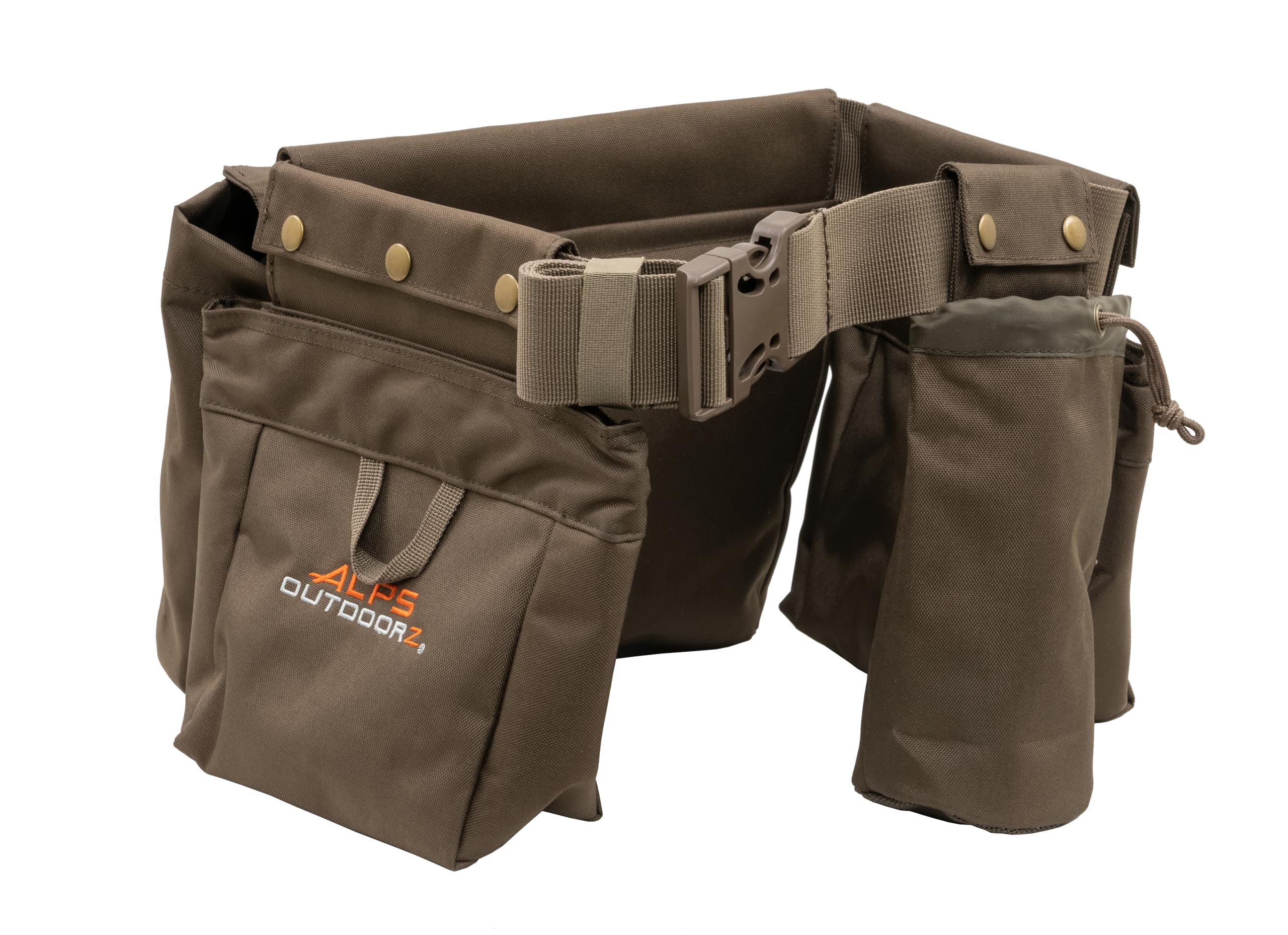
A shell bag or belt pouch
Digging in a cargo pocket while birds pour into the field is how you miss the best ten minutes of the hunt.
What to look for A padded belt bag that holds 100+ shells with a separate dump pocket for empties. Leave-no-trace matters, and picking up hulls is easier if you have somewhere to put them.
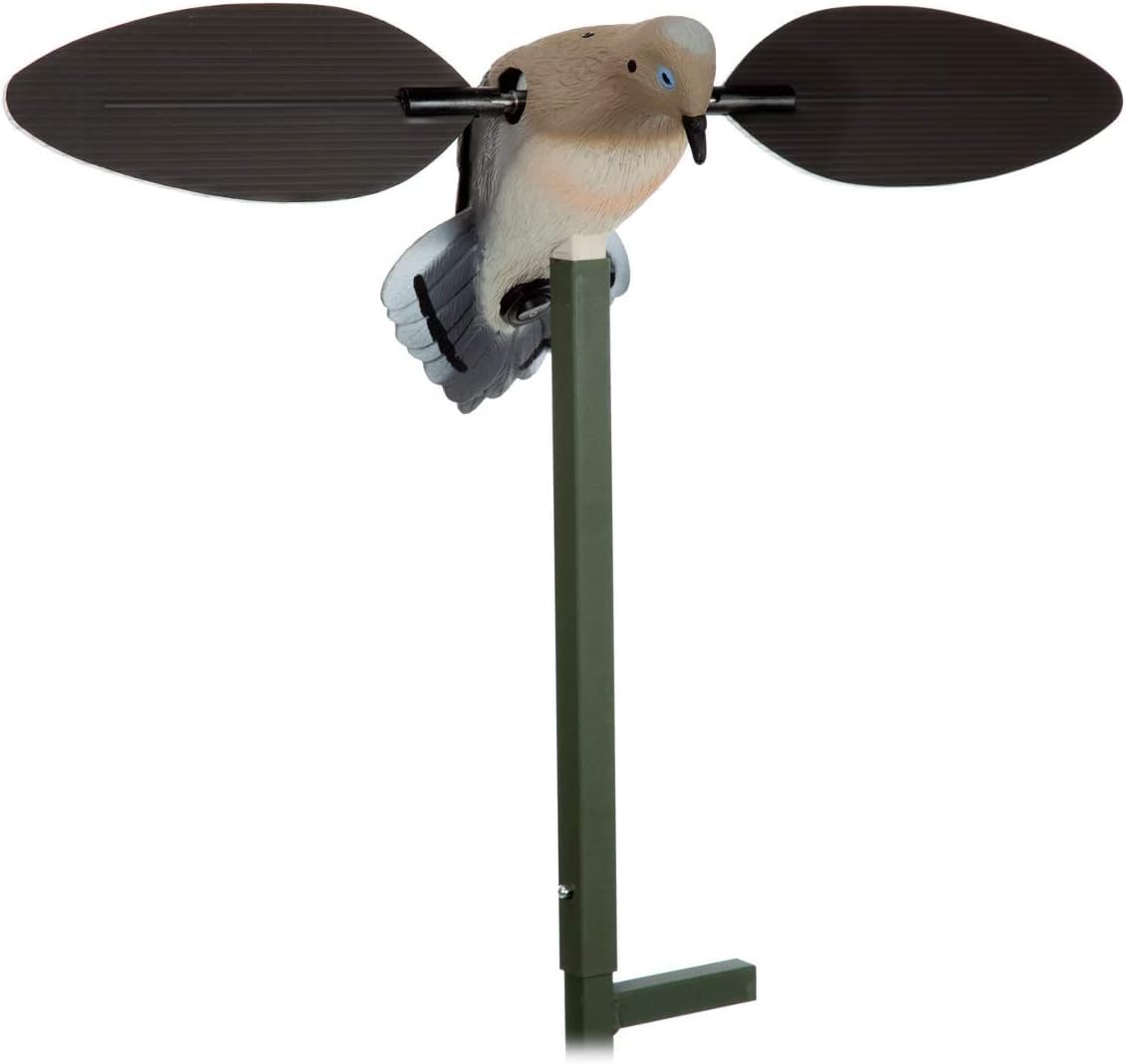
Dove decoys
Doves are social. A half dozen decoys on a fence line or a spinning-wing decoy over a cut field pulls birds off their line and into range.
What to look for Clip-on fence decoys for wire and a battery spinner for open fields. Bring spare batteries — heat kills them faster than you expect.
Recommended choice

4.8 ★ · 3,400 reviews · $29.99
See all decoys picks →Ear plugs or electronic ear protection
A dove field is dozens of shotguns going off around you for three hours. Hearing loss is cumulative and permanent, and dove season is the single loudest thing most hunters do all year.
What to look for Electronic muffs or in-ear units that amplify conversation and cut the blast. If you go cheap, get high-NRR foam plugs and bring spares for whoever forgot theirs.
Recommended choice

4.8 ★ · 84,900 reviews · $35.00
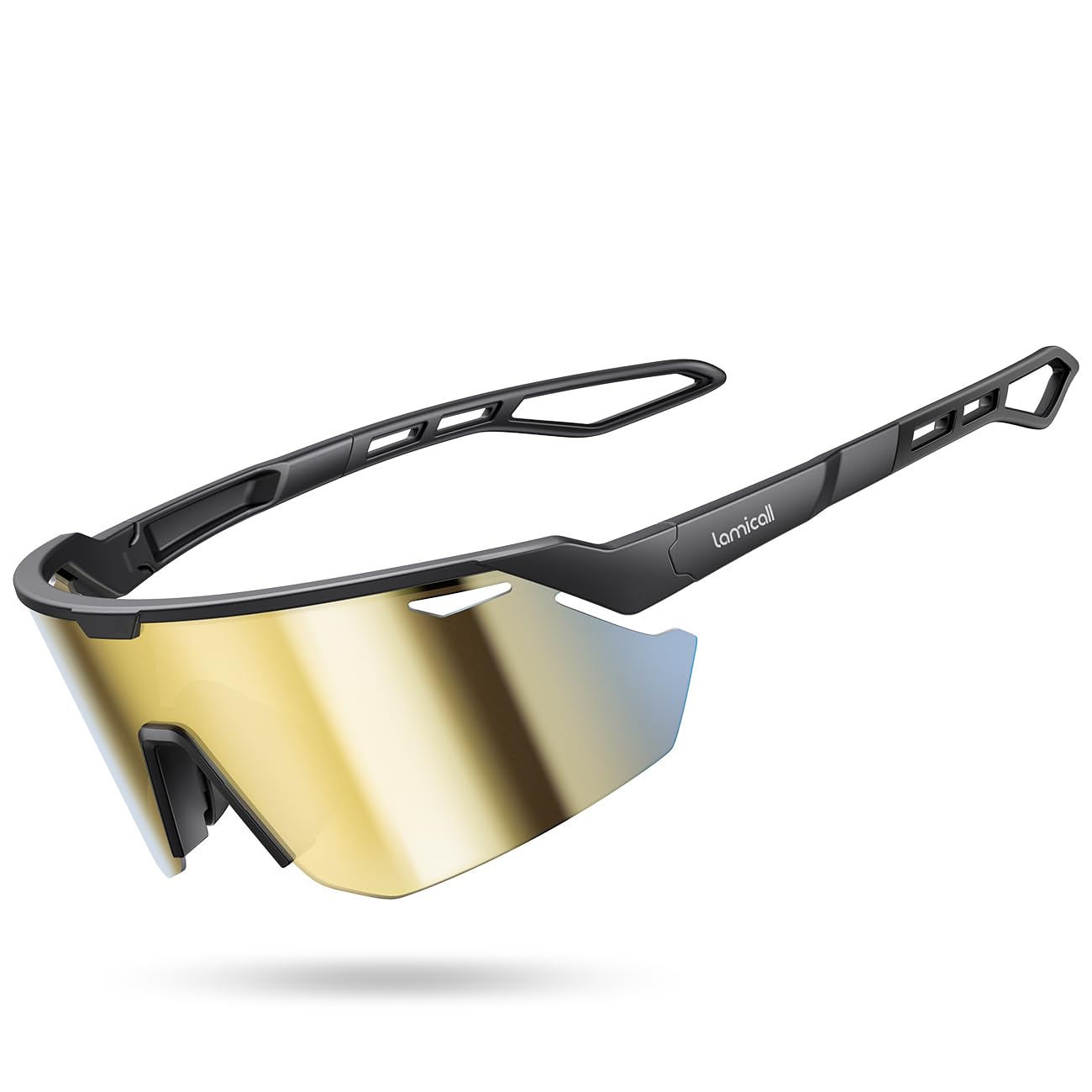
See all hearing protection picks →Shooting glasses
Falling shot, ejected hulls, and stubble at eye level are all real. Eye protection is not optional in a crowded field.
What to look for Impact-rated lenses in amber or vermillion — they pop a gray bird against a gray sky better than smoke gray does.
Recommended choice

4.8 ★ · 21 reviews · $68.99
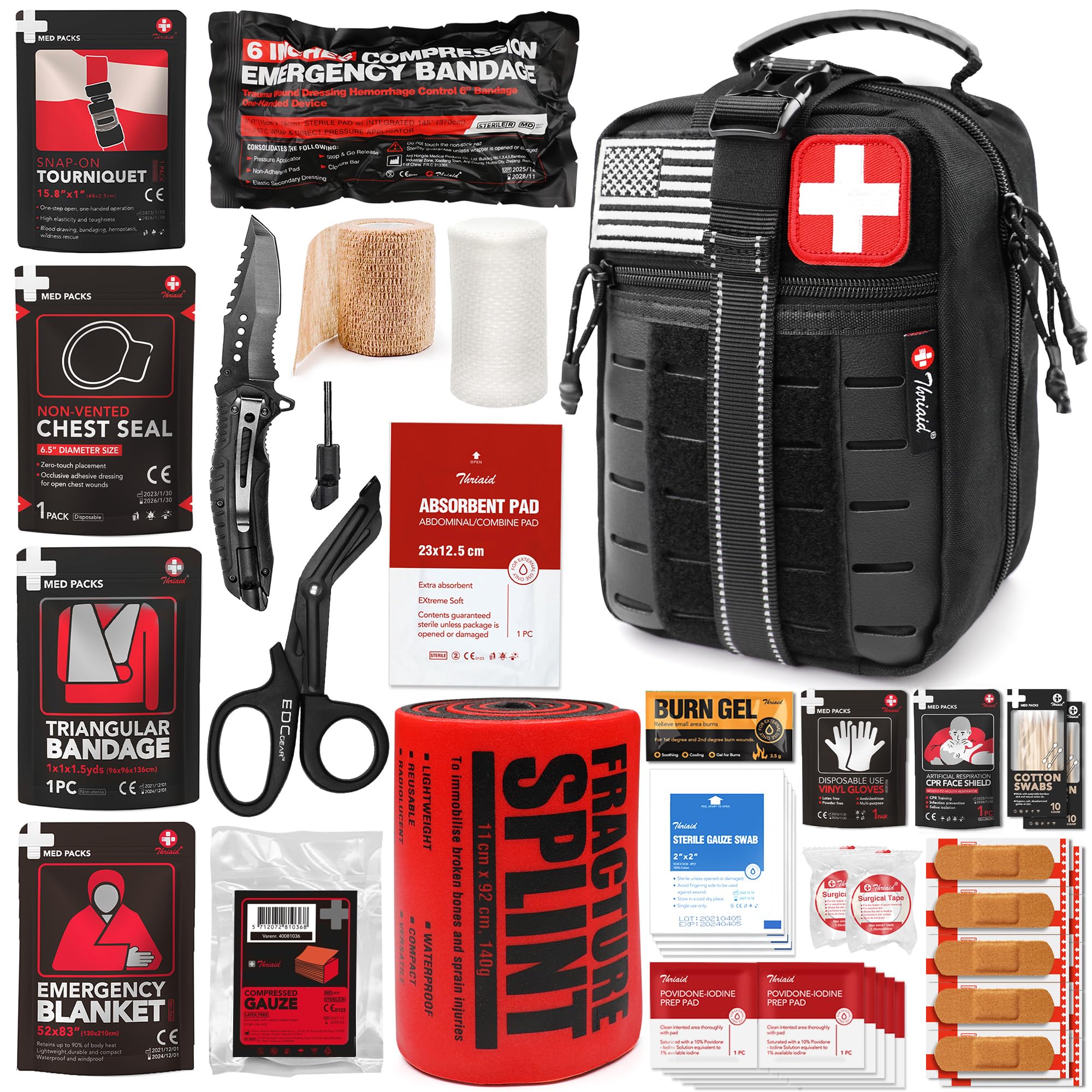
See all eye protection picks →A first aid kit
Fire ants, thorns, cuts from cleaning birds, and heat exhaustion are all routine. A serious kit lives in the truck; a small one lives in your bag.
What to look for Include tweezers, antihistamine for ant stings, electrolyte packets, a tourniquet, and a snake bite plan for South Texas.
Recommended choice

4.8 ★ · 234 reviews · $49.99
See all field essentials picks →A shotgun recoil pad
One hundred rounds in an afternoon bruises a shoulder, and a sore shoulder makes you flinch, and a flinch makes you miss.
What to look for A slip-on pad or a strap-on shoulder pad worn over the shirt. Check that it does not add too much length of pull.
Recommended choice

4.7 ★ · 2,700 reviews · $17.50
See all shotgun accessories picks →Clothing
Hunting boots or field shoes
September dove fields in Texas are stubble, goatheads, fire ants, and the occasional rattlesnake. Sneakers do not survive that, and neither do your feet.
What to look for Lightweight, breathable, snake-resistant if you hunt South Texas brush. Full rubber insulation is overkill in 95-degree heat.
Recommended choice

4.6 ★ · 1,000+ reviews · $33.99
See all snake protection & footwear picks →A good camo hat
The Texas sun in September is punishing, and a brim also breaks up the shape of your face when birds are coming straight at you.
What to look for Wide brim or a boonie for full-sun fields, a cap if you are under mesquite. Moisture-wicking sweatband, not cotton.
Recommended choice

4.6 ★ · 517 reviews · $14.99
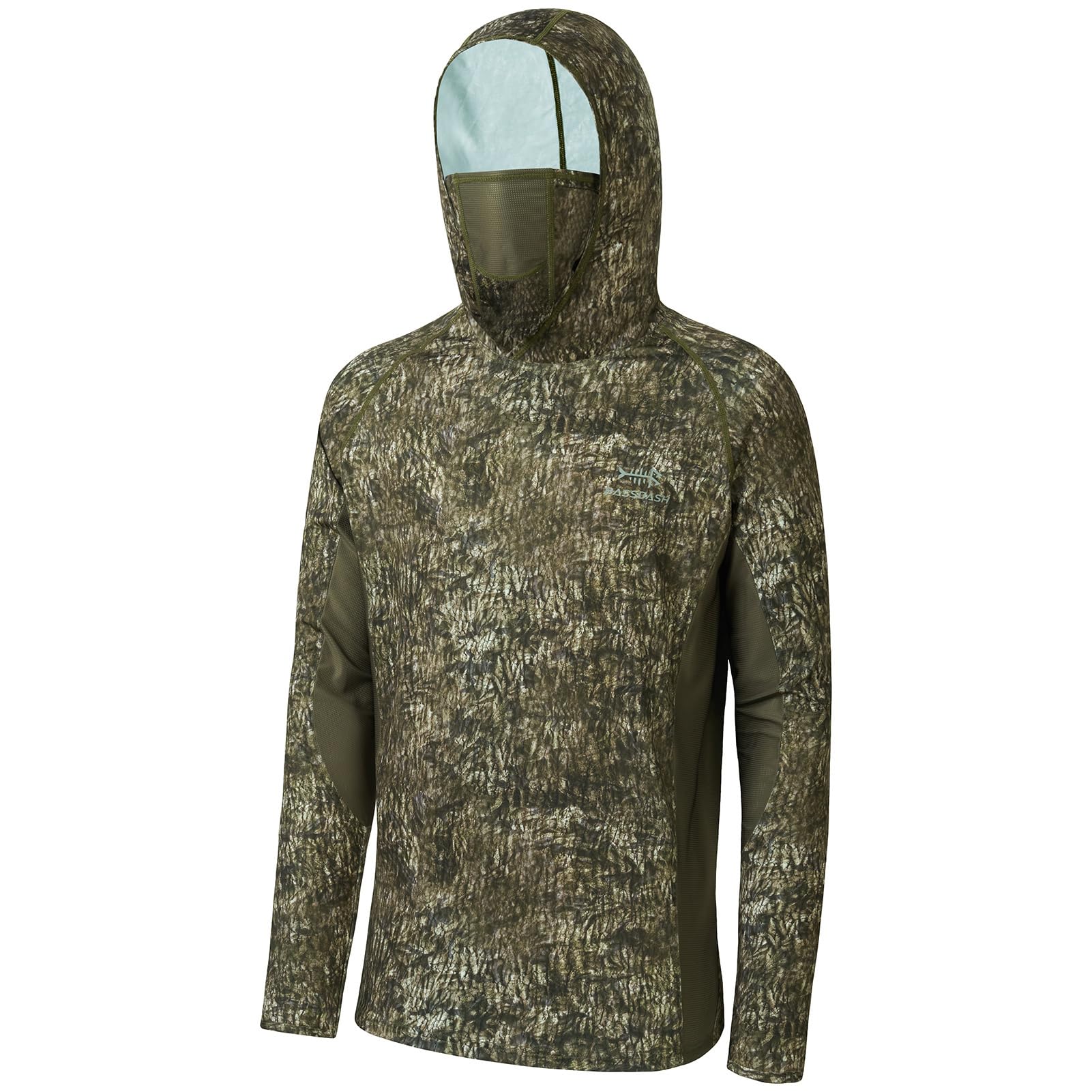
See all camo clothing picks →A lightweight camo shirt
Heavy camo is a mistake in early September. You want long sleeves for sun and thorns, in a fabric that moves air.
What to look for Vented long-sleeve with UPF 40+, a light open pattern, and no bulky shoulder padding that snags your gun mount.
Recommended choice

4.7 ★ · 2,000 reviews · $29.98
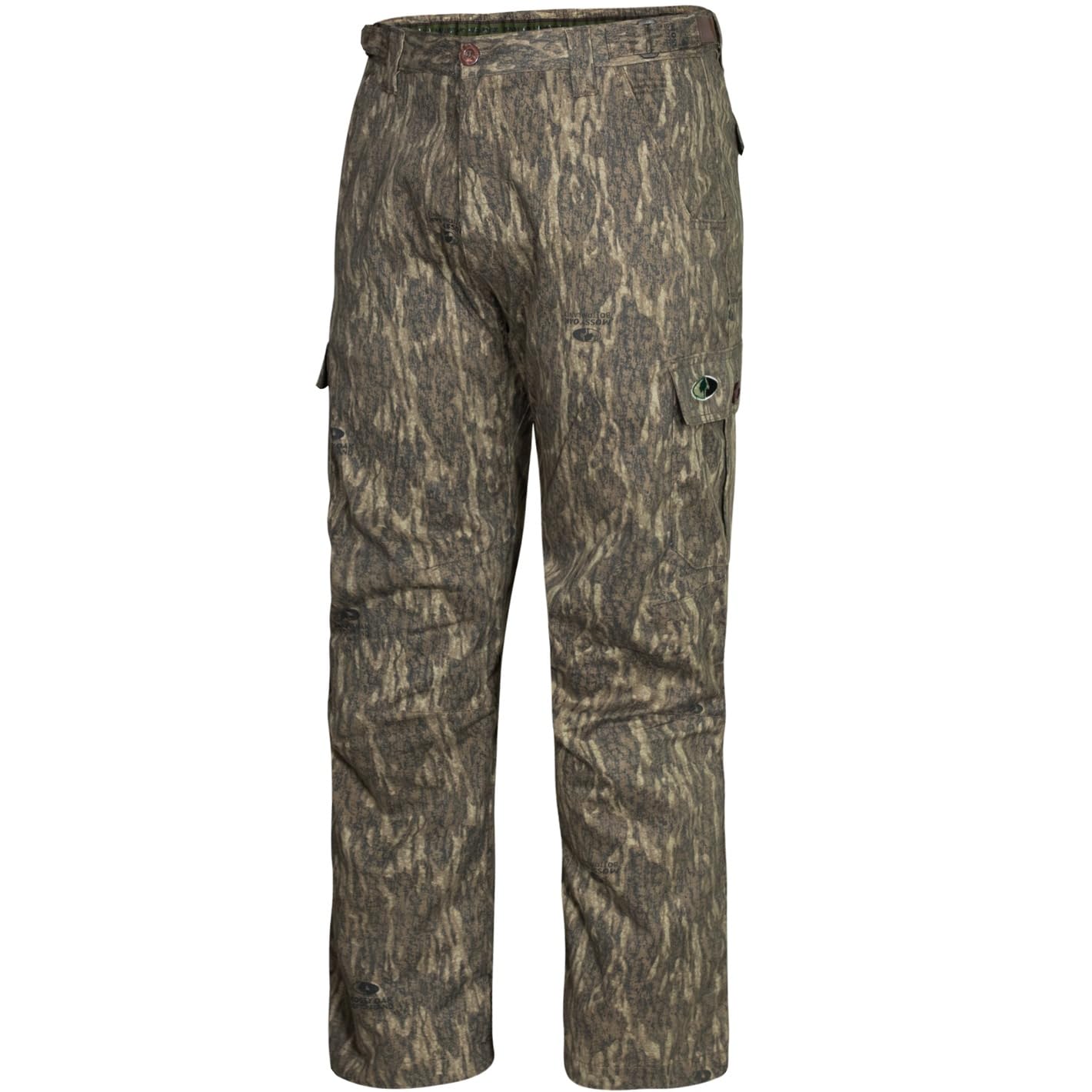
See all camo clothing picks →Camo pants with plenty of pockets
Pockets carry shells, phone, snips, license, and the occasional bird. Thin-fabric jeans lose that argument with a mesquite thorn.
What to look for Ripstop fabric, reinforced knees for kneeling in stubble, and cargo pockets that close so nothing spills when you sit on a bucket.
Sunglasses for midday and evening hunts
Evening hunts put you staring west into low sun for two hours. Squinting costs you birds and gives you a headache.
What to look for Polarized, wraparound, impact-rated so they double as shooting glasses. A retainer strap so they survive the truck ride.
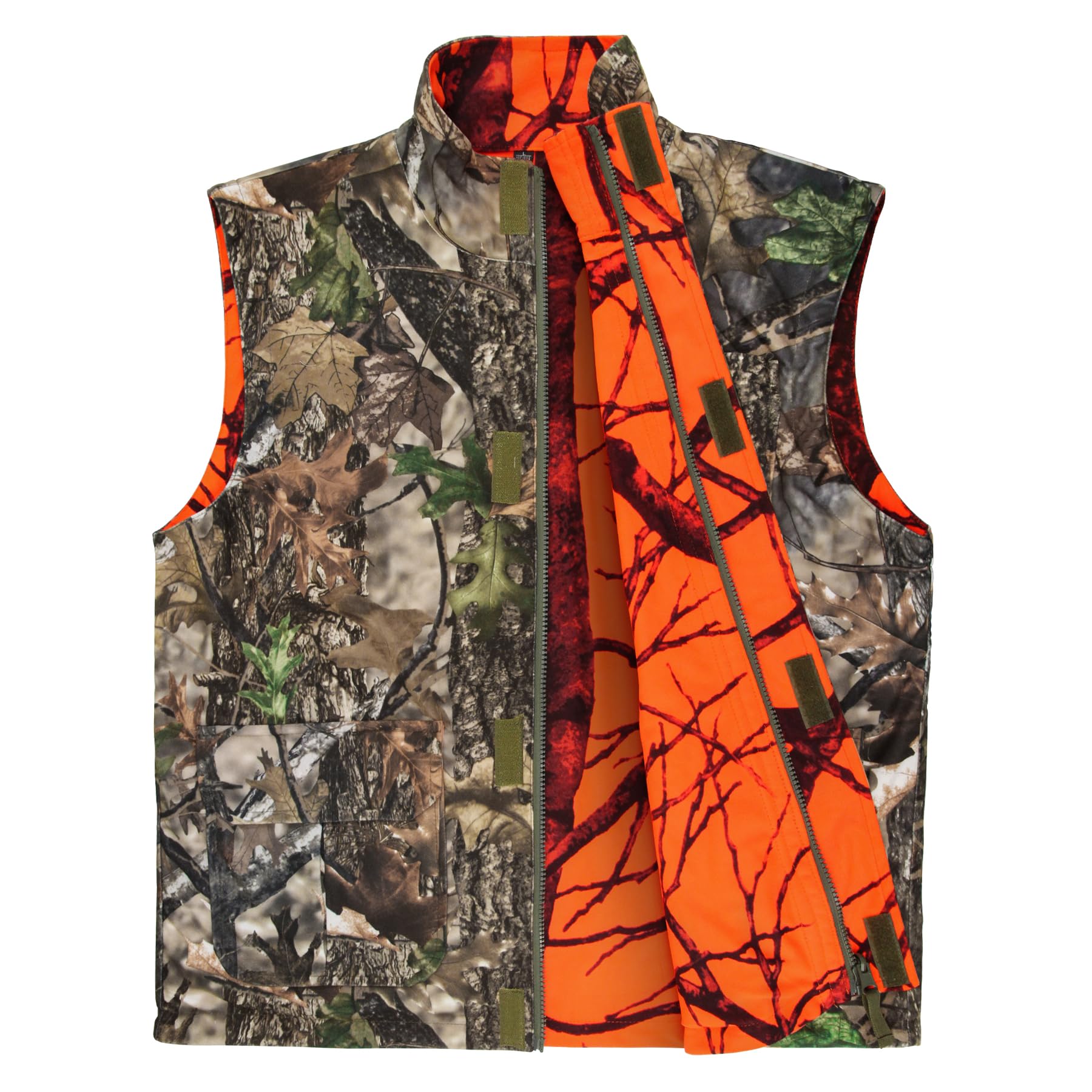
Some safety orange
Dove fields get crowded, and hunters set up in tall stubble where you can disappear. A hat band or vest panel makes you visible without spooking birds — doves see movement, not orange.
What to look for An orange cap or a light orange vest panel you can pull on when a field fills up.
A solid belt
Once you hang a shell bag, a knife, and a couple of birds on it, a flimsy belt quits.
What to look for 1.5 inch nylon or leather with a low-profile buckle that will not dig in when you sit.
A light camo jacket
The second segment in December is a different hunt. Mornings in the low 40s with wind will end your day early without a layer.
What to look for A packable soft shell that blocks wind, cuts at the hip so it does not fight your gun mount.
Comfort
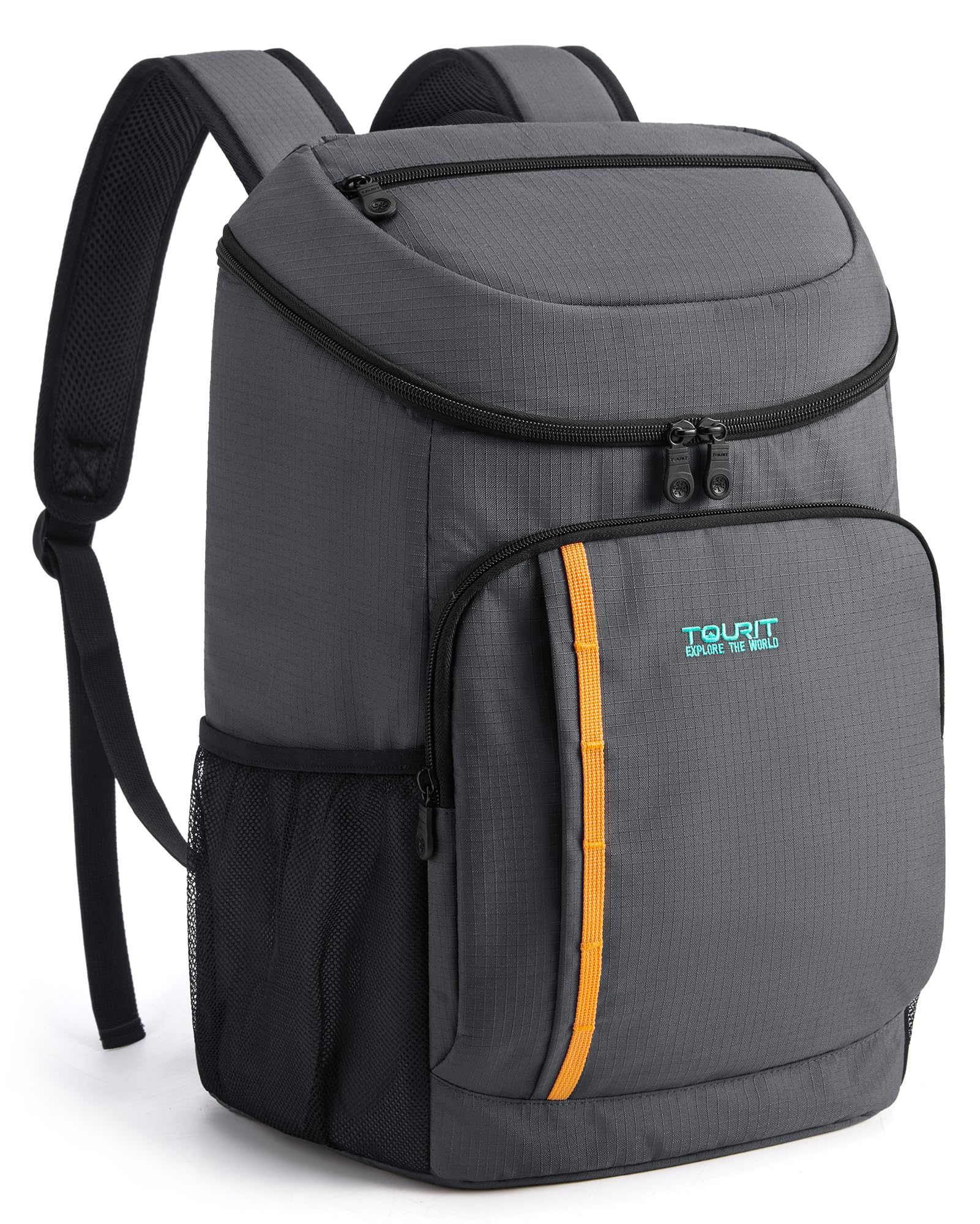
A portable beverage cooler
If you are not carrying water into a Texas September field, you are making a mistake you will feel by the second hour.
What to look for A soft-sided cooler you can sling, or a hard 20-quart at the truck. Freeze bottles the night before so they double as ice.
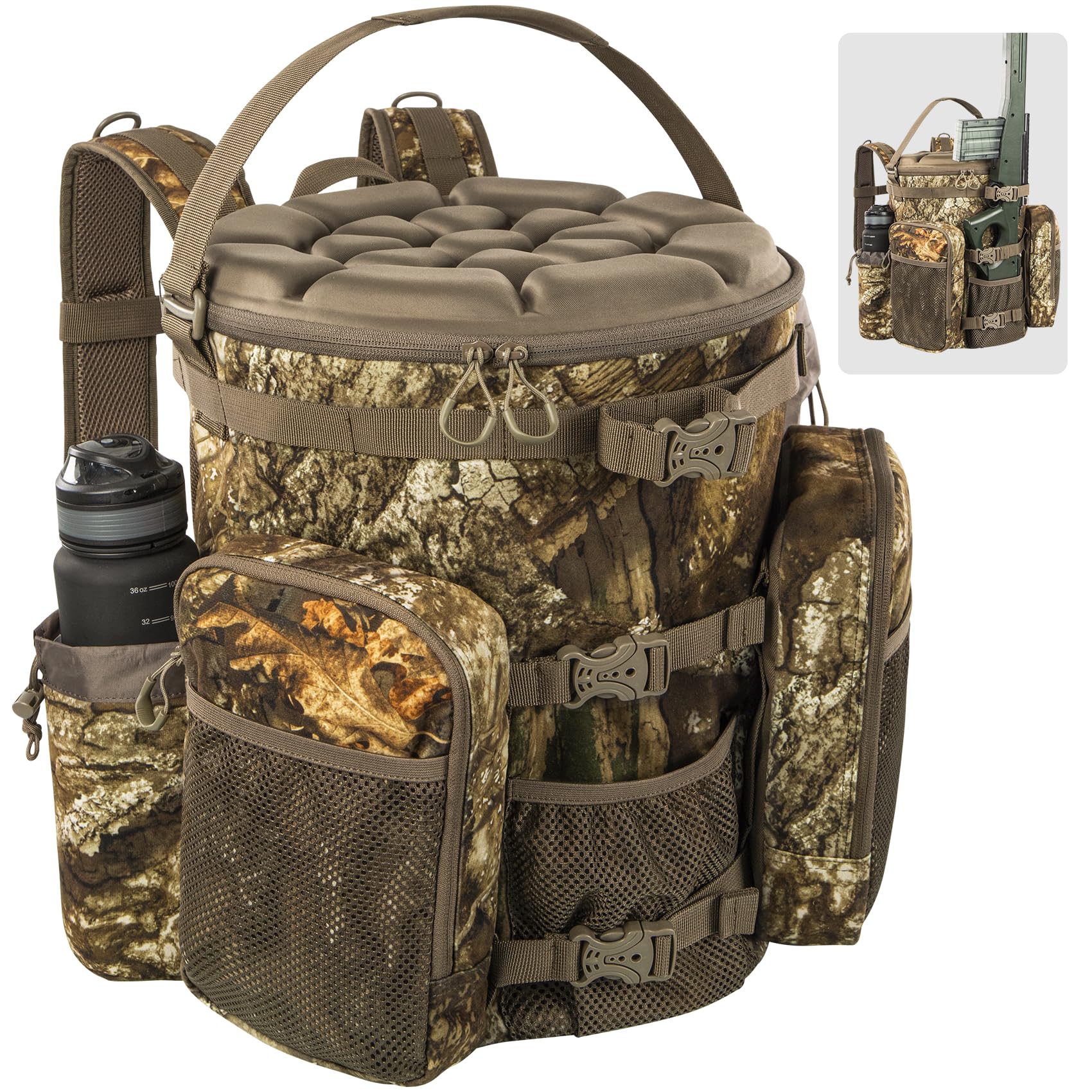
A portable hunting stool or bucket seat
You will sit for long stretches waiting on the evening flight. Standing in the open also silhouettes you against the sky.
What to look for A swivel bucket seat that stores shells and doubles as your cleaning bucket, or a lightweight tripod stool with a shoulder strap.
Recommended choice

4.8 ★ · 60 reviews · $49.99
See all seats & chairs picks →Two-way radios
Big fields spread a group out past shouting distance. Radios coordinate where birds are coming from and where everyone is standing — a safety issue as much as a convenience.
What to look for GMRS handhelds with a real 2+ mile range, rechargeable, with a belt clip.
Recommended choice

4.5 ★ · 7,000 reviews · $20.00
See all field essentials picks →Dog
A heavy-duty dog bowl
A retriever working a 95-degree field will drink more than you do. Heat stroke in bird dogs is fast and often fatal.
What to look for Collapsible silicone for the field, plus a heavy no-tip stainless bowl at the truck.
Recommended choice

4.6 ★ · 4,900 reviews · $12.99
See all dog gear picks →A retrieving dog camo life jacket
Dove hunts over stock tanks and river bottoms mean water retrieves. A vest adds buoyancy, visibility, and protection from brush.
What to look for A grab handle on top, adjustable belly straps, and enough flotation that a tired dog stays high in the water.
Cleaning & Cooking
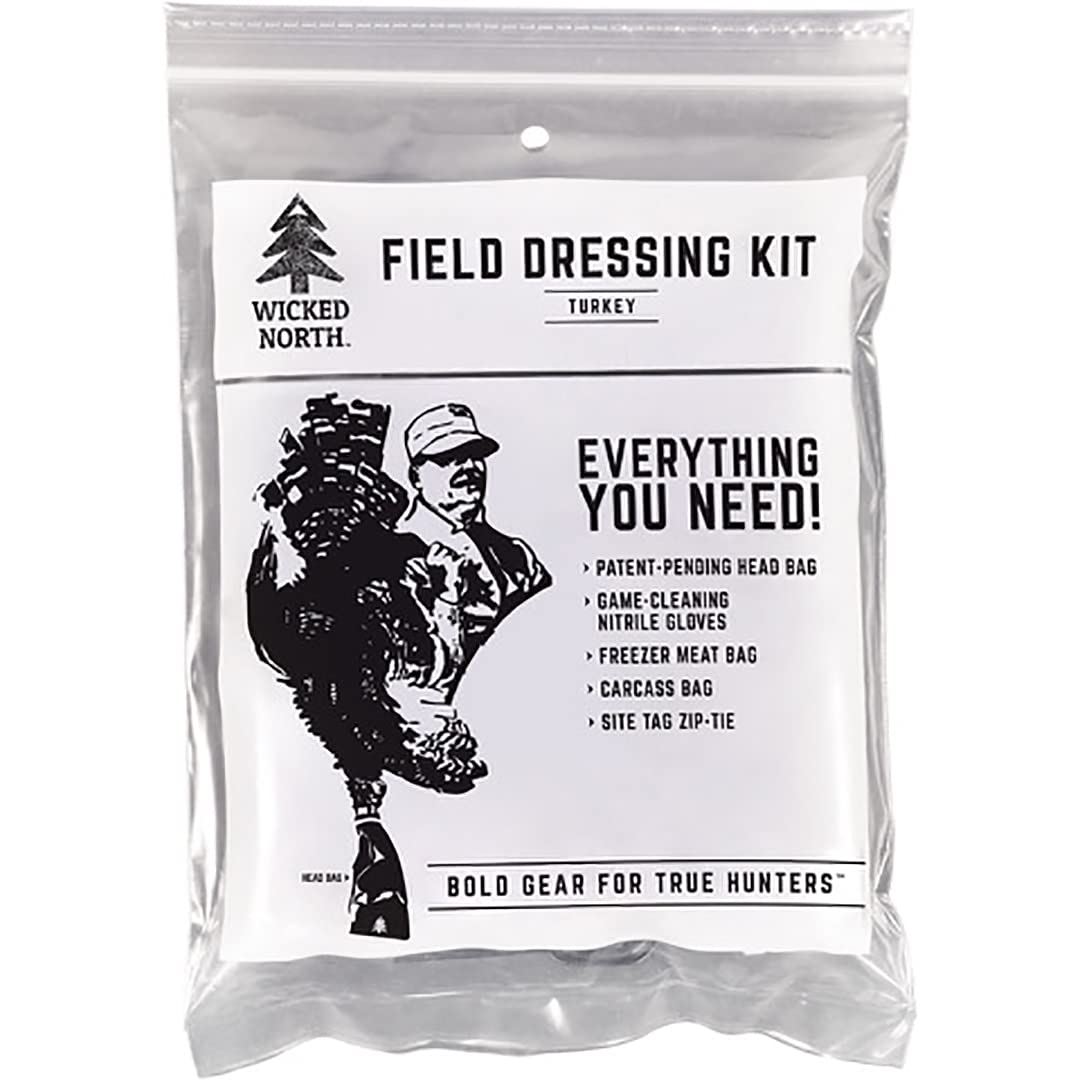
Hardy scissors or game shears
Nothing cleans a dove faster than a good pair of shears. Wings, feet, breast — 30 seconds a bird once you find the rhythm.
What to look for Stainless, spring-loaded, with a locking latch. Rinse and dry after every use or they seize.
Recommended choice

4.7 ★ · 50 reviews · $13.99
See all bird cleaning & cooking picks →A feather cleaning bucket
Cleaning birds in the field means feathers everywhere. A dedicated bucket keeps the mess in one place and the meat cool.
What to look for A 5-gallon bucket with a snap lid and a bag of ice. Feathers on the bottom, breasts in a zip bag on ice on top.
A shotgun cleaning kit
Dove fields are dust and powder residue. A semi-auto that ran perfectly opening weekend will short-stroke by the third hunt if you never touch it.
What to look for A bore snake, solvent, light gun oil, and a brush. Ten minutes after every hunt is enough.
A grill upgrade for the tailgate
Half of dove season is what happens after the hunt. Bacon-wrapped dove poppers off a tailgate grill are the whole point for a lot of people.
What to look for A portable propane or pellet grill with a flat, stable lid, plus a cast iron grate that holds heat for poppers.
Recommended choice

4.4 ★ · 1,000 reviews · $106.88
See all bird cleaning & cooking picks →Section 06
Printable opening-day checklist
Run this the night before. Print it, screenshot it, or read it off your phone at the truck.
- A 12 or 20 gauge shotgun you actually shoot well
- Plenty of shells — more than you think
- A shell bag or belt pouch
- Dove decoys
- Hunting boots or field shoes
- A good camo hat
- A lightweight camo shirt
- Camo pants with plenty of pockets
- Ear plugs or electronic ear protection
- Shooting glasses
- Sunglasses for midday and evening hunts
- Some safety orange
- A solid belt
- Hardy scissors or game shears
- A feather cleaning bucket
- A heavy-duty dog bowl
- A portable beverage cooler
- A shotgun cleaning kit
- A portable hunting stool or bucket seat
- A light camo jacket
- Two-way radios
- A first aid kit
- A shotgun recoil pad
- A retrieving dog camo life jacket
- A grill upgrade for the tailgate
Section 07
How to actually hit doves
Five shells per bird is the national average. These six habits are what separate a box of shells from a limit.
01
Lead the bird, then keep swinging
The single most common dove miss is shooting behind. A crossing dove at 30 yards needs roughly 3 to 5 feet of lead. Swing through the bird from behind, pass the beak, fire, and keep the gun moving. Stopping the swing at the trigger pull is what puts your pattern in the bird's tailfeathers.
02
Mount to your face, not your shoulder
Bring the stock up to your cheek first and let the shoulder catch it. If you drop your head to the gun, your eye sits off the rib and you shoot low every time. Practice ten dry mounts in the yard the week before opening day.
03
Pick one bird out of the flock
Doves come in twos and threes and your brain wants to shoot at the group. Lock onto a single bird before the gun moves and ignore everything else until you have fired at it.
04
Let them commit
Most hunters shoot too early. A dove at 45 yards is a wounded-bird gamble. Wait until it is inside 35 yards and still closing, and your hit rate roughly doubles.
05
Shoot with both eyes open
Wingshooting is a moving-target sport, and depth perception matters more than a precise bead picture. If you are cross-dominant, a small patch of translucent tape on the dominant-eye lens fixes it without closing an eye.
06
Set up with the sun and wind behind you
Doves land into the wind, which means they slow down and flare when the wind is at your back. Keeping the sun behind you at the same time means you see them before they see you.
Choke and shot size by situation
| Situation | Choke | Shot | Load |
|---|---|---|---|
| Early season, birds decoying inside 25 yards | Improved Cylinder | #8 | 1 oz, 1,200 fps |
| Typical opening-weekend field, 25–35 yards | Improved Cylinder / Light Modified | #7.5 | 1 oz to 1 1/8 oz |
| Late season, wary birds at 35–45 yards | Modified | #7.5 | 1 1/8 oz, 1,250 fps |
| Pass shooting a flight line, 40+ yards | Improved Modified | #6 or #7.5 | 1 1/8 oz |
| Over water where non-toxic shot is required | Modified | Steel #6 | 1 oz, 1,350 fps |
Five misses and the fix
- Shooting behind crossing birds
- Double your lead, then double it again on a windy day. Almost nobody misses in front.
- Shooting under incoming birds
- A dove dropping toward you needs the barrel below it. Blot the bird out with the muzzle and fire.
- Stopping the gun
- Follow through past the shot. Say 'swing, shoot, swing' out loud for a box of shells until it sticks.
- Flinching by hour three
- Wear a recoil pad, drop to a 1 oz load, and take a water break. Fatigue flinch is a gear problem, not a nerve problem.
- Head lifting off the stock
- You are checking your result before the shot leaves. Keep your cheek welded until the bird hits the ground.
Section 08
Where to hunt dove in Texas
Public leases, day hunts, and how to read a field so you set up on birds instead of near them.
TPWD public dove leases
Texas Parks and Wildlife leases thousands of acres of dove fields across the state through the Annual Public Hunting Permit. Fields are listed by county in the public hunting map booklet and are first-come, first-served. Get the permit before Labor Day weekend — the good fields fill by 6 a.m.
Day-lease and outfitted hunts
Managed sunflower and milo fields run roughly $75 to $150 per gun for a half-day in most of Central and South Texas. You are paying for a field that was planted and watered for doves, which is usually worth it on opening weekend.
Scout the food, not the birds
Doves feed on bare ground with seed on it: cut sunflower, milo, wheat stubble, sesame, and croton (goatweed). If you can see dirt between the plants and there is seed on that dirt, birds will find it.
Own the water
In September heat, every dove in the county drinks twice a day. A stock tank with a bare, gravelly shoreline within a mile of a feed field is the highest-percentage evening setup in Texas.
Find the flight line
Sit and glass a field the evening before you hunt. Doves use the same lanes between roost, water, and feed day after day — powerlines, fence rows, and gaps in a treeline. Set up on the lane, not in the middle of the field.
Morning vs evening
Morning hunts run first light to about 10 a.m. and are best over feed. Evening hunts from about 5 p.m. to sunset are best over water and usually produce more birds in early September heat.
Public hunting details: TPWD public hunting.
Section 09
Cleaning, field care & cooking
Dove is a lean dark meat that punishes two mistakes: warm birds and overcooking.
Breast them in the field
Pinch the breast skin, tear it open, and pull the whole breast plate free with your thumbs, or run shears down each side of the keel. Thirty seconds a bird. Leave one fully feathered wing attached — Texas law requires it until you reach your final destination.
Get them cold immediately
Doves spoil fast in September heat. Breasts go into a zip bag, the bag goes on ice, and the bag stays on ice the whole drive home. Never pile warm birds in a game bag in the truck bed.
Soak overnight
A 12-hour soak in salted ice water pulls out blood and firms the meat. Change the water once. Some hunters swear by buttermilk instead — it does the same thing and tenderizes.
Find the pellets
Run a thumb over each breast before it goes in the pan. Shot left in a popper ruins somebody's evening.
Four recipes worth the drive home
Bacon-wrapped dove poppers
25 minutes · Serves 4 as an appetizer
Ingredients
- 16 dove breast halves
- 8 slices thin-cut bacon, halved
- 1 jalapeño, sliced into strips
- 4 oz cream cheese
- Cracked pepper and a little garlic powder
Method
- Butterfly each breast half and season with pepper and garlic powder.
- Lay in a jalapeño strip and a small smear of cream cheese.
- Wrap in a half slice of bacon and pin with a toothpick.
- Grill over medium indirect heat 15 to 20 minutes, turning once, until the bacon crisps.
- Pull them at medium — dove is dark meat and goes to liver if you take it past that.
Skillet dove breasts over rice
30 minutes · Serves 4
Ingredients
- 24 dove breast halves
- 3 tbsp butter
- 1 yellow onion, sliced thin
- 8 oz mushrooms
- 1 cup beef or game stock
- Splash of Worcestershire
- Cooked white rice
Method
- Pat the breasts dry and sear hard in butter, 90 seconds a side. Remove.
- Soften the onion and mushrooms in the same pan.
- Deglaze with stock and Worcestershire, reduce by half.
- Return the breasts, simmer 3 minutes, and spoon over rice.
Grilled dove with chile-lime butter
20 minutes · Serves 4
Ingredients
- 20 dove breast halves
- 1/2 cup softened butter
- 1 tsp chile powder
- Zest and juice of 1 lime
- Coarse salt
Method
- Mash the butter with chile powder and lime zest; set aside.
- Salt the breasts and grill hot and fast, 2 minutes a side, lid open.
- Toss straight off the grill with the compound butter and the lime juice.
Dove and sausage gumbo
2 hours · Serves 8
Ingredients
- 30 dove breast halves
- 1 lb andouille sausage
- 1 cup flour and 1 cup oil for the roux
- Onion, bell pepper, celery
- 2 quarts stock
- Cooked rice and green onion to serve
Method
- Build a dark chocolate roux over medium-low heat, stirring constantly for 30 to 40 minutes.
- Add the trinity and cook until soft, then the sausage.
- Add stock slowly, bring to a simmer, and cook 45 minutes.
- Add dove breasts in the last 25 minutes so they stay tender. Serve over rice.
Section 10
Safety & ethics in the field
Crowded fields, triple-digit heat, and working dogs. Six things that keep an opening day from going wrong.
Know where every gun in the field is
Walk the field with your group before the first shot and agree on who sits where. Never swing on a low bird that crosses toward another hunter — the bird is not worth it.
Non-toxic shot where it is required
Lead is legal for dove on most private land, but many public hunting areas and any hunt over water require non-toxic shot. Check the specific area rules before you load.
Heat is the real danger
Opening weekend is routinely 95 to 100 degrees. Drink before you are thirsty, carry electrolytes, and know the signs of heat exhaustion: nausea, cramping, and the moment you stop sweating.
Your dog overheats before you do
A working retriever in a Texas dove field can hit a dangerous core temperature in under 20 minutes. Force water breaks every 15 minutes, keep a soaked towel in the cooler, and pull the dog if it stops responding to commands.
Retrieve every bird you knock down
It is the law and it is the ethic. Mark the fall against a landmark, walk straight to it, and search in an expanding spiral before you give up.
Leave the wings on for identification
Texas requires a fully feathered wing or head to remain attached until you reach your final destination so a game warden can identify the species and confirm the white-tipped count.
Section 11
Texas dove hunting FAQ
Straight answers to the questions hunters actually search for.
When does dove season open in Texas in 2026?
Dove season opens September 1, 2026 in all three Texas zones — North, Central, and South. For 2026-27 the South Zone opens on September 1 for the first time under the new structure, because the Special White-winged Dove Days were eliminated.
What is the daily bag limit for dove in Texas?
The daily bag limit is 15 doves in every zone, of which no more than 2 may be white-tipped doves. The possession limit is three times the daily bag, or 45 birds.
What are legal shooting hours for dove in Texas?
One-half hour before sunrise until sunset, statewide, every day of the season. There are no longer split shooting hours in the South Zone.
What license do I need to hunt dove in Texas?
A valid Texas hunting license, a Migratory Game Bird Endorsement, and HIP certification. You do not need a federal duck stamp to hunt dove.
Which dove zone am I in?
The North Zone is everything north of I-20 and I-30 through Fort Worth. The South Zone is everything south of a line from Del Rio along US 90 to Loop 1604 to I-10 east. The Central Zone is everything in between, which includes Austin, Waco, and Houston.
What happened to the Special White-winged Dove Days?
They were eliminated for the 2026-27 season. The Texas Parks and Wildlife Commission replaced them with an earlier South Zone regular opener on September 1 and standardized bag limits and shooting hours across all days in the South Zone.
How many shells should I bring dove hunting?
Plan on at least one box of 25 per hunter for a slow hunt and two to three boxes on a good field. The national average is roughly five shells per bird harvested.
What shot size is best for dove?
#7.5 shot is the all-around answer for Texas dove. Use #8 for close decoying birds early in the season and #6 for late-season pass shooting at 40 yards or more.
What choke should I use for dove hunting?
Improved Cylinder for most opening-weekend field hunting inside 35 yards, Modified once birds get wary late in the season, and Improved Modified for pass shooting a flight line.
Can I hunt dove over a stock tank in Texas?
Yes. Hunting over water is legal and is the highest-percentage evening setup in September heat. Note that some public areas require non-toxic shot over water, so check the area rules.
Is baiting legal for dove in Texas?
No. It is illegal to hunt dove over an area where grain or feed has been placed. Normal agricultural planting, harvesting, and post-harvest manipulation of a crop is legal — top-sown seed or a feeder is not.
Do I have to leave a wing on the bird?
Yes. A fully feathered wing or the head must remain attached to each dove until you arrive at your final destination so a game warden can identify the species.
Is there a limit on Eurasian collared-doves?
No. Eurasian collared-doves and rock pigeons have no closed season and no bag limit in Texas. Leave the plumage on so they can be identified separately from your 15-bird native limit.
Where can I dove hunt on public land in Texas?
Buy the Annual Public Hunting Permit from TPWD. It opens up leased dove fields across the state plus wildlife management areas. Fields are listed by county and are first-come, first-served.
What does a Texas dove lease cost?
Day leases on managed sunflower or milo fields typically run about $75 to $150 per gun for a half-day hunt in Central and South Texas. Season leases vary widely by acreage and county.
What should I wear dove hunting in Texas?
Light long sleeves with sun protection, ripstop pants, a brimmed hat, sunglasses, and real boots. Full heavy camo is a mistake in 95-degree September heat — doves key on movement more than color.
Do doves see camo?
Doves have good color vision but they react far more to motion and silhouette. Breaking up your outline and staying still matters more than the specific pattern you wear.
What is the second season segment?
Each zone has a split season with a second segment in December and January. North runs Dec. 18, 2026 to Jan. 7, 2027; Central runs Dec. 11, 2026 to Jan. 14, 2027; South runs Dec. 18, 2026 to Jan. 21, 2027.
How do you clean a dove quickly?
Pinch the breast skin, tear it open, and pull the breast plate free with your thumbs, or use game shears down each side of the keel. Thirty seconds a bird with practice. Get the meat on ice immediately.
How many doves do you need per person for a meal?
Figure six to eight breast halves per person as a main course, or four as an appetizer. A two-hunter limit of 30 birds feeds about eight people.
Is dove meat good to eat?
Yes. Dove is a lean, dark, mild game meat closer to duck than chicken. The two rules are do not overcook it and do not skip the ice.
Can kids hunt dove in Texas?
Yes. Hunters under 17 need a youth hunting license, and anyone born on or after September 2, 1971 must complete hunter education or hunt under the supervision of a qualifying licensed adult.